From glowing skin to better aging, the GlyNAC combination benefits every aspect of women’s health.
Glycine and NAC for radiant skin and wellness
What if two simple molecules could help restore your skin glow, improve your sleep, and energize you at the cellular level, all while quietly reversing signs of aging from the inside out? It turns out that glycine and N-acetylcysteine (NAC) have unique, science-backed benefits for women’s health, and only a few people know about it.
When taken together as GlyNAC, this power duo has shown strong clinical results in supporting glutathione production, mitochondrial rejuvenation, skin firmness, and even reversing key hallmarks of aging.
And here’s the twist: as the simplest amino acid, glycine may also be one of the most powerful –boosting collagen, balancing blood sugar, and helping you sleep better without next-day grogginess.
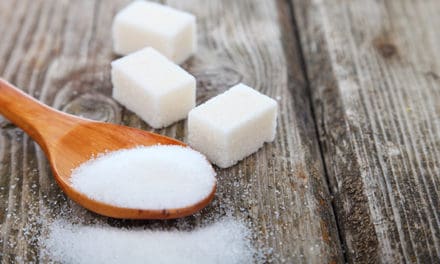
| DID YOU KNOW? Glycine is naturally sweet. It’s a low-calorie amino acid that may serve as a natural sweetener. This amino acid calms the brain, boosts collagen, and supports detox. Try 1 scoop in coffee, tea, or hot cocoa before bed for better sleep, smoother skin, and better recovery. |
Glycine: Small amino acid, big impact
Glycine is the simplest amino acid in structure. It is involved in the synthesis of essential molecules like glutathione, heme, and creatine. While glycine is classified as a non-essential amino acid (meaning the body can synthesize it), multiple studies suggest that endogenous production does not meet human metabolic demands, especially during periods of growth, stress (including intense exercise), aging, or injury.
- Up to several grams per day may be missing from typical diets, particularly for people who are not consuming bone broth or collagen-rich cuts of meat.
- This makes glycine “conditionally essential,” a crucial but under-supplied nutrient.
Glycine as a master collagen builder
Glycine comprises around 33% of collagen, making it indispensable for skin elasticity, joint health, and connective tissue strength. Collagen cannot be synthesized without adequate glycine availability. Collagen declines with aging, and so does glycine production.
- Supporting glycine levels may help maintain the structural integrity of skin, bones, and cartilage during aging.
Glycine is one-third of the glutathione triad
Glutathione, your body’s most potent antioxidant, is a tripeptide composed of glutamate, cysteine, and glycine.
- Glycine is the rate-limiting factor in glutathione synthesis when paired with cysteine (NAC is a cysteine precursor).
- Without enough glycine, your body’s detox and antioxidant systems are weakened, leaving cells more vulnerable to oxidative stress, a key driver of aging and chronic disease.
Sleep, cognitive restoration, and mood regulation
Glycine influences sleep and mood by acting on NMDA (N-methyl-D-aspartate) receptors in the suprachiasmatic nucleus, the brain’s primary circadian clock. This promotes core body temperature regulation, leading to faster sleep onset and deeper rest.
- Human studies found that adults taking 3 g of glycine before bed fell asleep more easily, slept more deeply, and showed improved next-day cognition, suggesting benefits for mental clarity and stress resilience.
Beyond sleep, glycine also modulates glutamate, helping to balance excitatory and inhibitory neurotransmission, a core mechanism in anxiety and mood regulation:
- Animal studies suggest thatit reduces corticosterone, a key stress hormone.
- In psychiatric settings, high-dose glycine (e.g., 0.8 g/kg per day) has shown promise as an adjunct in treating schizophrenia.
Metabolic support and anti-inflammatory action
Glycine plays a role in glucose metabolism and insulin signalling, enhancing glucose uptake in skeletal muscle and improving insulin sensitivity. These are critical for women facing metabolic shifts during perimenopause, or managing PCOS, insulin resistance, or midlife weight gain.
Beyond blood sugar, glycine exhibits anti-inflammatory effects by downregulating proinflammatory cytokines such as TNF-α and IL-6, which are often elevated in metabolic syndrome and age-related chronic inflammation.
When combined with NAC as GlyNAC, glycine has shown an even broader metabolic impact. In a 2023 randomized clinical trial published in The Journals of Gerontology, researchers demonstrated that supplementing older adults with GlyNAC for 16 weeks led to significant improvements in multiple hallmarks of aging, such as:
- Glutathione levels and oxidative stress (a key driver of aging and disease)
- Mitochondrial function (the energy engines of your cells)
- Inflammation markers
- Insulin resistance
- Walking speed and strength
These findings are especially promising for women looking to stay energized, active, and radiant as they age.
Why glutathione matters
Glutathione is often referred to as the body’s “master antioxidant.”
It protects against cellular damage, detoxifies the liver, and supports immune defence. Unfortunately, glutathione levels decline with age, chronic stress, and exposure to environmental toxins. While direct glutathione supplementation is limited by poor absorption, the GlyNAC combo effectively raises glutathione blood levels.
From glowing skin to better aging, the GlyNAC combination benefits every aspect of women’s health. It provides a science-based method for aging vibrantly, supporting everything from muscle mitochondria to collagen in the cheeks.
Dosage and safety
In clinical studies, typical dosages included:
- Glycine: Up to 15 g per day (or higher in psychiatric settings)
- NAC: 600–1200 mg per day
Both supplements are generally well-tolerated, though it’s always best to consult a health care practitioner, especially if you’re pregnant, nursing, or managing a medical condition.
Final thoughts
Glycine and NAC stand out, not for their hype, but for their solid science and meaningful benefits. Whether you’re focused on glowing skin, deeper sleep, or aging with vitality, GlyNAC offers a compelling, research-supported path forward.