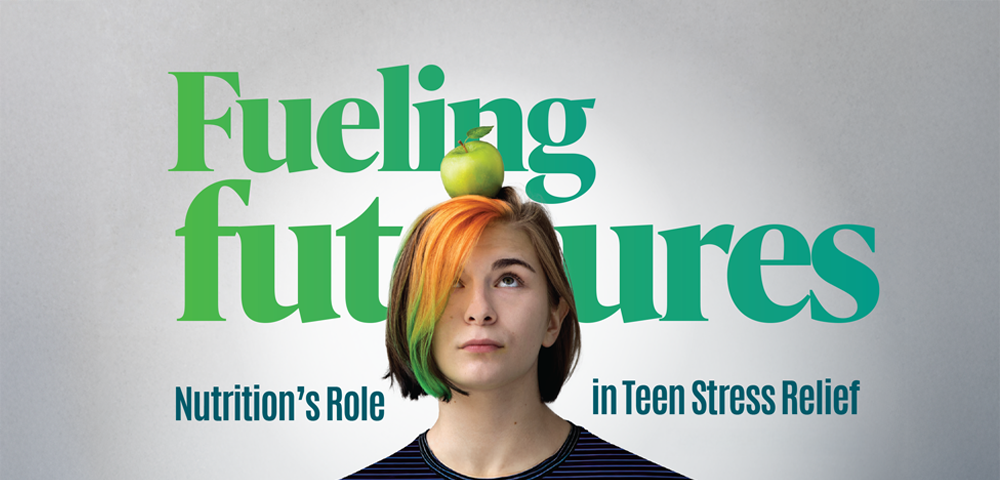
Teens are the most susceptible age group to multiple and various stresses.
Childhood and teen years are critical developmental periods, both mentally and emotionally.
According to neuroscience, our brains do not finish developing and maturing until our mid-to-late 20s. Children whose brains are still under construction are much more susceptible to the factors that can cause stress symptoms and mental health problems.
According to the American Psychological Association in 2024:
70% of teens in North America (ages 13–17) identify anxiety or depression as major issues
75% of high school students report experiencing boredom, anger, sadness, fear, or stress in school
- On a 10-point scale, adult stress averages at 3.8, while teens rate their stress at 5.8
- 75% of high school students and 50% of middle schoolers consistently feel stressed because of schoolwork
Other everyday stressors include relationships with peers, confusion around sexual identity, social media, cyberbullying, climate change worries, and parental stress. Other less recognized stressors that affect overall mental and physical health include environmental toxins, sleep problems, obesity, skin disorders, and ultra-processed foods (UPFs). UPFs have been linked to mental health problems such as depression, anxiety, and learning disorders like ADHD. The statistics for the consumption of UPFs are staggering: U.S. children and teens consume 67% of their calories from UPFs, while Canadian children and teens consume 34%. Research has shown that many diseases and health problems are caused by consuming excess processed foods, which are deficient in nutrients that are necessary to support a developing brain and body.
Teens are the most susceptible age group to multiple and various stresses.
In addition, during a time when adolescents are transitioning into having to make more responsible decisions, their brains have to deal with raging hormones that affect emotions and decision-making. It is not an easy age, especially with so many stimuli and information coming at them from different sources that they are expected to process, integrate, and use to make so many decisions.
Ironically, this is also a time when teens struggle to eat well because they are constantly on the go or unaware of the importance of good nutrition. Typically, they fill up on fast food, go without meals, or snack all day on foods high in sugar and empty calories. If teens do not have the proper nutritional building blocks in place for healthy hormone production, this time of their life and also hormone health throughout life can be more challenging.
Nutrition and lifestyle
The foundation of optimal health is the food we put in our bodies daily, along with other lifestyle factors such as dietary supplements and exercise. A developing brain requires higher levels of nutrients in general, but under stress, the need for these nutrients increases further. Key nutrients during these times include a multivitamin and mineral, omega-3 fatty acids, vitamin D, magnesium, zinc, iron, antioxidants such as vitamins C and E, probiotics, and extra protein. All these vitamins and minerals are available in chewable forms for children who are unable to swallow tablets. Protein powder and liquid omega-3s are easily added to smoothies in the morning, and it is essential to start the day with extra protein and good fats to provide high-quality fuel for the brain. The herb saffron has been proven to balance moods, relieve nervousness, reduce symptoms of stress and irritability, and improve sleep quality. Study results show that saffron compares to methylphenidate (Ritalin) in easing some ADHD symptoms, and when taken together, they offer more support.
Additionally, supplements provide nutritional fuel for the developing body and brain, helping to buffer daily stressors. Our children are the future, and each of us has the power to support and nurture them to reach their fullest potential in any way we can.
For a deeper exploration into the benefits of supplements and the importance of proper nutrition, I invite you to check out my book, Mental Health Crisis in Children and Teens, available on Amazon. The book is packed with valuable insights, practical tips, and evidence-based information to help enhance your teens’ well-being and optimize their mental health journey.