Many different factors can interfere with the process of healthy aging
Feed your gut for lifelong vitality
For thousands of years, people have been interested in how to achieve healthy aging based on preventing diseases of aging and maintaining a youthful appearance, a quest that continues today. Many different factors can interfere with the process of healthy aging, including inflammation, prolonged stress, lack of nutrients in our diet, chronic stress, the increasing number of toxins in our foods, and more.
Recent research, however, has shown that biological changes, particularly a lack of microbial diversity in the microbiome, are also closely connected to the aging process. The skin, for example, has its own microbiome. Although it doesn’t directly “cause” wrinkles, these changes are linked to the breakdown of collagen and loss of skin moisture, suggesting the microbiome’s role in maintaining youthful-looking skin.
GUT HEALTH AND LIFELONG VITALITY
The gut microbiome continues to fluctuate during different stages of life. The most prominent deviations occur during infancy and later in life. Interestingly, our immune health is also at its weakest and most unstable state during these two critical stages of life. Older adults who have more gut microbial diversity tend to be healthier and live longer than peers with less microbiome diversity.
Microbiome diversity refers to the variety of microbial species (bacteria, fungi, viruses, etc.) present in a human gut, skin, or other body sites. A diverse microbiome produces anti-inflammatory metabolites, such as short-chain fatty acids (SCFAs), associated with healthy aging and protection against age-related disease by modulating immune cells, strengthening the gut barrier, and activating anti-inflammatory pathways. Conversely, microbial imbalance, called gut dysbiosis, can lead to increased gut permeability resulting in immune-driven systemic inflammation and oxidative stress, which in turn contribute to the shortening of telomeres, a hallmark of cellular aging.
Chronic, low-grade inflammation that contributes to age-related diseases and declines in health in older adults is commonly referred to as inflammaging. These age-related diseases include heart disease, diabetes, kidney and lung disorders, skin issues, cognitive decline, and immune system changes, making inflammaging a significant risk factor for frailty and mortality in older adults.
THE IMPORTANCE OF CULTIVATING A HEALTHY MICROBIOME – DIVERSITY IS THE KEY
Everyone’s microbiome is unique, determined by a complex interplay of genetic, dietary, lifestyle, and environmental factors, as well as the use of medications. There is a consensus that a diet rich in wholefoods, prebiotics, probiotics, and postbiotics, along with a minimal intake of sugars and ultra-processed foods, as well as regular exercise, helps promote a healthy microbiome.
DEFINING THE “BIOTICS”
Prebiotics are indigestible dietary fibres that provide food for beneficial bacteria that promote a healthy microbiome. While all prebiotics are fibre, not all dietary fibre is prebiotic. Prebiotics are well-studied and have been shown to improve gut integrity.
Probiotic foods contain live bacteria or yeast that are beneficial for digestive health; they include fermented foods such as kefir, sauerkraut, kimchi, kombucha, and yogurt. Probiotic supplements contain different strains of common bacteria found in the gut, such as Lactobacillus acidophilus, Bifidobacterium, and Bacillus subtilis, a soil bacterium, which are all excellent probiotics that support gut health and diversity.
Postbiotics are the by-products of the metabolism of probiotic and prebiotic compounds by the gut microbiota. Several postbiotic compounds have been identified, including SCFAs, vitamins, polysaccharides, polyphenols, proteins, and lipids, all providing health benefits. Butyric acid, an SCFA, is a well-studied postbiotic known for its wide range of beneficial effects in the body and the gut.
DIET AND MICROBIAL DIVERSITY
Diets high in processed foods, heated oils, and sugars are recognized as a cause for inflammation, one of the most common causes of chronic disease. Older adults generally tend to have diets lower in nutrients and fibre, which can decrease beneficial bacteria and lower diversity, often leading to systemic inflammation.
The more fibre consumed, the more SCFAs and other beneficial metabolites the body naturally produces. Focus on foods rich in resistant starches, such as legumes, rice, beans, oats, and potatoes.
Gut bacteria thrive on resistant starches that the body can’t digest. Dairy products like butter, ghee, milk, and Parmesan cheese, as well as red meat, olive or flax oils, and fermented foods like sauerkraut, promote healthy bacteria. Butter is one of the richest sources of butyric acid.
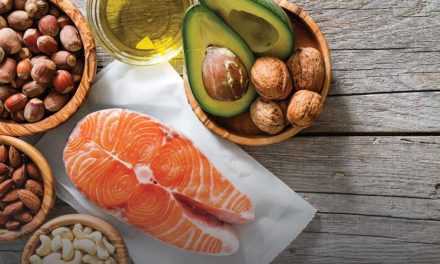
Various phytochemicals in fruits, vegetables, nuts, chocolate, and green tea, as well as supplements, including omega-3 fatty acids, L-glutamine, curcumin, ginger, quercetin, vitamin D, and the three “biotics,” are metabolized by the gut microbiomes into compounds that provide greater bacterial diversity.
Gut microbiome diversity represents a dimension of the aging process in combination with immune function, organ system health, genetics, and more. A combined approach that includes a healthy diet, exercise, and additional supplemental support for gut health is an essential part of healthy aging.
To learn more about the evolving research on the gut-brain axis, look for my second edition of the Three Brains series, Three Brains Plus, set for release in 2026. This new edition features insights into the gut-brain and gut-heart axes, along with the latest research on the gut-lung and gut-skin axes. Research suggests that harmonizing the brain, heart, and gut improves decision-making, cognition, and emotional regulation, reducing anxiety and stress.