Taking proactive steps to protect your eye health has never been more critical
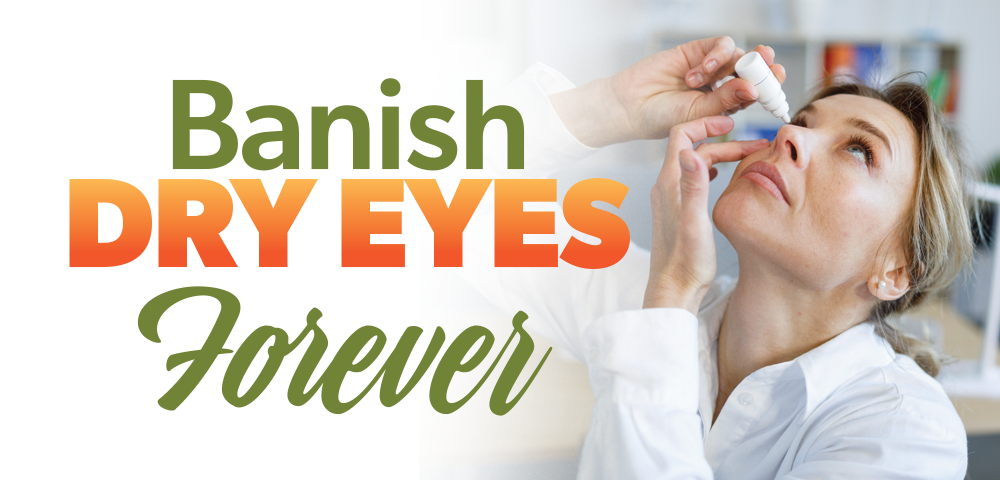
Are dry, irritated eyes slowing you down? Dry eye disease (DED) is a widespread eye condition affecting millions worldwide. An aging population and increased screen time are driving global DED rates. Taking proactive steps to protect your eye health has never been more critical.
WHAT IS DED?
Also known as dry eye syndrome or keratoconjunctivitis sicca, DED is caused by the disruption or loss of the tear film, a three-layer covering that protects the eye’s surface. This tear film contains water, proteins, lipids, and electrolytes, and is vital in preventing infection, reducing inflammation, and supporting clear vision.
Several associated factors have been identified in DED:
- Aging, especially after 40
- Allergies
- Autoimmune conditions
- Medications (e.g., antidepressants, antihistamines, and contraceptives)
- Contact lens use
- Environmental exposures (pollution, smoke, low humidity, and UV)
- Extended screen time without regular breaks
- Female sex
- Gut dysbiosis
- Meibomian gland dysfunction
- Sedentary lifestyle
- Sleep deprivation
Tear film instability can lead to various symptoms, including dryness, redness, itching, burning, and a gritty sensation, as well as more severe concerns like eye pain, photophobia, and vision disruptions. In advanced cases, ulceration, scarring, and vision loss can occur. Up to 34% of individuals with DED experience disruptions in daily activities, negatively impacting mental health and quality of life.
DRY EYE RELIEF TODAY
Don’t let dry eyes hold you back. Consider these approaches to stabilize the tear film and support the ocular surface, which can help relieve symptoms and improve comfort.
- First steps
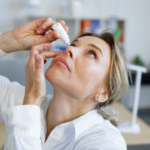
A common first step is using preservative-free artificial tears multiple times daily. Warm compresses can provide relief by stimulating the meibomian glands, which produce the oil layer of the tear film, helping to prevent excessive tear evaporation. Eyelid hygiene is essential and involves using cotton swabs and cleaning wipes correctly to remove dirt and debris.
- Antioxidant focus
Oxidative stress contributes to DED, making it an important focus during treatment. Antioxidants protect the tear film against oxidative damage from free radicals. One study found that a supplement containing anthocyanosides, astaxanthin, vitamins A, C, and E, and several herbal extracts increased tear production and improved tear film stability by reducing reactive oxygen species. In addition, vitamin A may be more effective than eye drops in some cases, while lutein may provide benefits, thanks to its antioxidant, anti-inflammatory, and blue-light-filtering actions.
- Keep your eye on good fats
The link between low dietary intake of omega-3 fatty acids and increased DED risk was first identified in a study with over 30,000 women. Subsequent research has shown that omega-3s effectively improve the signs and symptoms of DED. The anti-inflammatory and neuroprotective actions of omega-3s help promote tear production and a healthy corneal surface. A diet supplemented with EPA, DHA, and GLA has shown significant symptom relief in individuals with severe dry eyes.
- A look at vitamin D
Vitamin D may improve tear quality and the ocular surface. Its antioxidant, anti-inflammatory, and immunomodulatory actions are relevant in DED management. Research has shown a close link between serum vitamin D levels and tear production, tear film stability, and symptoms. Supplementation may improve symptoms and reduce corneal staining, an indicator of surface damage. Additionally, vitamin D supplementation may enhance the efficacy of artificial tears.
- Clearly curcumin
Curcumin, an active compound in turmeric, may be helpful for DED because of its anti-inflammatory, antioxidant, and anti-allergic properties. Studies indicate that curcumin supplementation can reduce DED symptoms, improve tear film stability, and decrease the use of artificial tears. As curcumin naturally has low bioavailability, it’s best to choose curcumin supplements that offer enhanced absorption.
- The gut-eye connection
Changes in the gut microbiota may contribute to ocular diseases, including DED. The connection between the gut and the eye (the gut-eye axis) suggests that imbalances in our gut microbes can increase inflammatory responses, potentially worsening DED. Although research is still in its early stages, probiotics and prebiotics show promise in DED management. In one study, supplementation with two Bifidobacterium strains for 30 days significantly increased tear secretion and tear film breakup time.
- Insightful lifestyle strategies
While avoiding digital screens may be challenging, following the 20-20-20 rule is recommended. Focusing on an object 20 feet away for 20 seconds every 20 minutes can help reduce eye irritation. Active blinking can help increase tear production and improve the ocular surface. Other considerations include minimizing contact lens wear, reducing exposure to environmental pollutants, and using a humidifier to improve indoor humidity. Don’t forget to wear sunglasses to protect the eyes from wind and UV exposure.
Dry eye syndrome is a complex condition that requires a holistic approach to protect long-term vision. With proper care, lasting relief and healthier eyes are within sight.