The brain and bones influence one another, shaping memory, mood, and bone strength
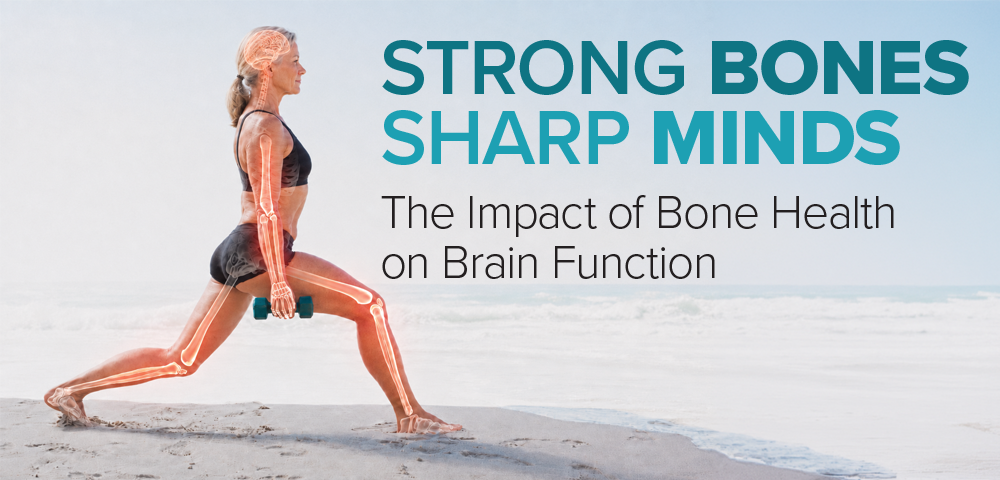
As we age, maintaining bone and brain health becomes exceedingly important, but these two systems are often treated as distinct entities. Growing research is highlighting a vital bidirectional communication between the central nervous system and the skeletal system, called the brain-bone axis. Understanding this connection provides valuable insights about aging and longevity.
THE BRAIN-BONE AXIS
Communication between the brain and bones occurs through neural, hormonal, immune, and metabolic pathways. The bones release factors, such as osteocalcin, which cross the blood-brain barrier to support neurotransmitter production, neurogenesis, and cognition. The brain, on the other hand, produces neurotransmitters and hormones that support the balance between osteoblasts (bone-building cells) and osteoclasts (bone-resorbing cells).
Together, the brain and bones influence one another, shaping memory, mood, and bone strength.
EMERGING RESEARCH
Clinical research continues to confirm the brain-bone relationship. One review of 15 studies found that individuals with cognitive impairment had a significantly higher risk of osteopenia and osteoporosis. Alternatively, individuals with lower bone mineral density were more likely to develop cognitive decline. Aging, chronic inflammation, low estrogen, mitochondrial dysfunction, and physical inactivity can disrupt this communication. Consequently, concerns like osteoporosis and cognitive impairment can occur together.
Optimal brain-bone axis support is best achieved through a multifaceted approach that combines targeted nutrient intake with regular physical activity.
Nutrients for brain and bone health
Omega-3 fatty acids
Omega-3s improve bone health by reducing inflammation and enhancing calcium absorption, and as nootropics, prevent neuronal loss and neurodegeneration. Low omega-3 levels are linked to cognitive decline, whereas omega-3 intake improves learning and memory and reduces Alzheimer’s disease risk.
Vitamin D
Vitamin D supports calcium absorption and bone mineralization, while deficiency is linked to osteoporosis and increased fracture risk. Deficiency is also associated with greater dementia risk, with one review of 22 observational studies showing a 49% increased risk. By modulating neuroinflammation and balancing neurotransmitter levels, vitamin D improves cognitive function and mood in older adults.
Magnesium
As 60% of magnesium is stored in bones, it’s not surprising that it influences bone health. Magnesium deficiency reduces bone strength, impairs vitamin D function, and disrupts calcium balance, while supplementation may improve bone mineral density and reduce fracture risk. Magnesium benefits the brain by supporting the blood-brain barrier and reducing neuroinflammation and oxidative stress. Research on magnesium L-threonate has shown it can improve executive function, visual attention, motor speed, and working memory.
Vitamin K2
Vitamin K activates osteocalcin to support bone mineralization and bone strength. Vitamin K, as MK-7, promotes osteoblast and inhibits osteoclast activity, and low intake is associated with increased fracture risk, especially in postmenopausal women. Vitamin K2 supports brain health and cognition by reducing arterial calcification, supporting glucose metabolism, and providing antioxidant protection.
B Vitamins
B vitamins, particularly B6, B12, and folate, may help lower the risk of hip fractures and osteoporosis. By supporting energy production and neurotransmitter activity, B vitamins help maintain brain health in the elderly and potentially slow cognitive decline. In addition, B vitamins help lower homocysteine, a biomarker associated with increased bone loss, fracture risk, and cognitive decline.
Creatine
When combined with resistance training, creatine enhances muscle mass, especially as we age, and helps reduce the risk of falling. Recent research suggests that creatine may influence bone geometry and protect against fractures by enhancing muscle strength. Creatine supports serotonin and dopamine levels for mood regulation and enhances mitochondrial function and ATP production. In older adults, creatine supplementation has been shown to improve memory performance.
Choline
Low choline intake has been associated with low bone mineral density; however, adequate choline may help reduce inflammation caused by estrogen deficiency and lower homocysteine levels. One study with postmenopausal women found that for every 1 g increase in choline intake, bone mineral density increased by 0.082 g/cm2. Choline is a key component of phosphatidylcholine and a precursor to acetylcholine, the neurotransmitter involved in learning and memory. Higher intake of choline and phosphatidylcholine has been linked to improved cognition and reduced dementia risk.
Prebiotics and probiotics
The gut microbiota and its metabolites support bone health by influencing immune function, hormone production, nutrient absorption, and the gut barrier. The gut is also connected to the brain, and gut microbiota imbalances have been associated with neurodevelopmental disorders, mood disturbances, and neurodegenerative conditions such as Alzheimer’s disease. Prebiotics and probiotics are essential to maintaining a healthy gut microbiota.
Whether your focus is on brain or bone health, both deserve your attention. Nutrition and lifestyle strategies are key to balancing the brain-bone axis and supporting longevity.
| NUTRIENTS | SOURCES |
| Omega-3 fatty acids | Salmon, sardines, anchovies, chia seeds, flax seeds, walnuts, and high-quality supplements sourced from cold-water fish or algal oil |
| Vitamin D | Safe sun exposure, fatty fish, egg yolks, mushrooms, fortified foods, and vitamin D3 supplements |
| Magnesium | Green leafy vegetables, whole grains, nuts, seeds, legumes, and supplements such as magnesium bisglycinate and magnesium L-threonate (especially for cognition and brain support) |
| Vitamin K2 | Natto, egg yolks, grass-fed butter, and fermented cheeses (Gouda, blue cheese), plus vitamin K2 supplements |
| B vitamins | Animal and dairy sources, beans, eggs, nuts, seeds, leafy greens, legumes, and active B complex supplements |
| Creatine | Fish, red meat, and creatine monohydrate supplements |
| Choline | Eggs, beef and chicken liver, fish, non-GMO soy, and phosphatidylcholine supplements |
| Prebiotics and probiotics |
Prebiotics: garlic, onions, oats, inulin, and partially hydrolyzed guar gum (PHGG) Probiotics: yogurt, kefir, kimchi, and synbiotic supplements (combining prebiotics and probiotics) |