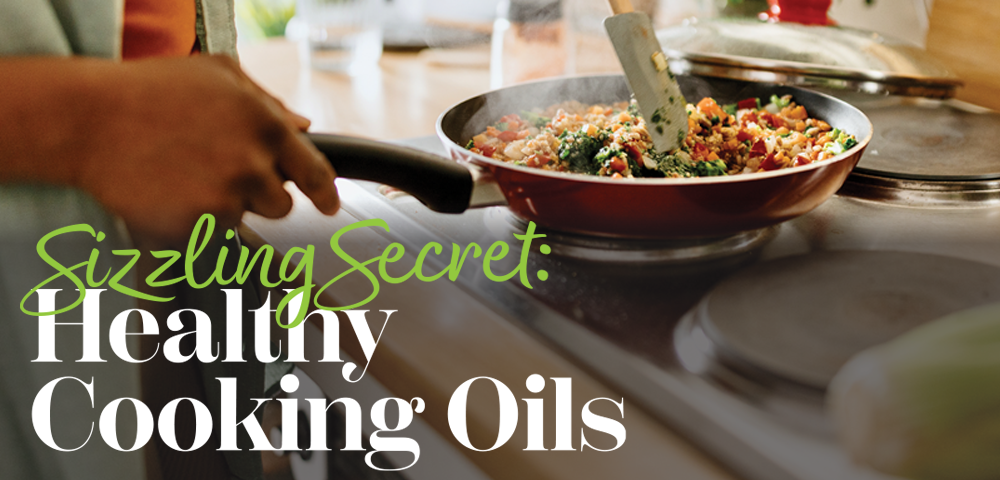
The healthiest cooking oils are those extracted cleanly, are minimally processed, and are used properly
Cooking oils are essential in every kitchen. They affect flavour, nutrient absorption, digestion, hormone health, and inflammation. With so many options on grocery store shelves –from cold-pressed to refined to light-tasting – choosing the right oil can be overwhelming. But the truth is straightforward: the healthiest cooking oils are those extracted cleanly, are minimally processed, and are used properly based on smoke point and culinary purpose. Below, I will explain why oil quality matters and highlight some of the most nourishing oils to keep in a healthy, modern, Mediterranean-inspired kitchen.
Clean, expeller-pressed, and always organic
Not all oils are created equal. The method used to extract the oil can significantly affect purity, nutritional value, and taste.
Expeller-pressed vs. chemical extraction: Many conventional oils, such as soy, corn, canola, and grapeseed, are extracted using harsh solvents like hexane. These methods yield high amounts of oil but remove nutrients, produce unstable fats, and can leave chemical residues undetectable on the label. Expeller-pressed oils, however, rely solely on mechanical pressure – no chemicals, no high-heat bleaching, and no deodorizing. This process retains the oil’s natural antioxidants, vitamin E, polyphenols, and delicate flavour.
Choose organic: Organic oils are free of pesticides, herbicides, and genetically modified crops. This is especially important for high-fat foods, such as oils, because fat molecules easily retain chemical residues. With organic oils, you’re selecting a cleaner, more nutrient-rich option for your family.
Smoke point: Every oil has a smoke point – the temperature at which it starts to burn, oxidize, and degrade into toxic compounds. Using oils above their smoke point not only ruins the flavour, but it also generates free radicals that can promote inflammation. Some oils are best used at high heat, while others are best kept raw or used for gentle finishing.
High heat (450 °F+): sautéing, pan-searing, roasting, grilling
Medium heat (300–400 °F): baked goods, light stir-fries, everyday cooking
Low heat or no heat: dressings, drizzling, dips, finishing oils
The following are the essential oils that should form the foundation of a healthy, Mediterranean-style cooking and wellness kitchen.
Avocado oil: This high-heat hero remains one of the most versatile and heart-healthy oils in modern cooking. It has one of the highest smoke points among culinary oils – typically 480–520 °F when expeller-pressed – making it perfect for high-heat cooking methods. It is also naturally rich in monounsaturated fats that support heart health, hormone balance, and healthy skin, and is high in vitamin E and antioxidants. It has a neutral, mild flavour that complements a variety of cuisines, and is ideal for roasting vegetables, searing proteins, grilling, and everyday sautéing. Avocado oil is the dependable workhorse of your wellness kitchen – steady, reliable, and nutrient-dense.
Coconut oil: Stable, antimicrobial, and delicious, coconut oil has been a staple in tropical and Ayurvedic cooking for generations. Its natural saturated fat structure makes it highly stable, even at high temperatures. Coconut oil contains medium-chain triglycerides (MCTs), which support energy production and metabolism. It is naturally antimicrobial thanks to caprylic and lauric acids, and it supports cognition and gut health. This oil’s smoke point is around 350 °F for virgin coconut oil and 400–450 °F for refined coconut oil, making it ideal for stir-fries, baking (banana bread, muffins, cookies), sautéed greens, soups, and curries.
Pumpkin seed oil: Rich, earthy, and best used raw, this oil is a nutrient powerhouse with a deep green colour and a nutty flavour. High in omega-6 and omega-9 fatty acids, it is also rich in minerals such as zinc, magnesium, and iron. It supports prostate health, hormone balance, and hair and skin health. Its smoke point is very low – around 320 °F – making it unsuitable for cooking. It’s best used as a finishing touch – drizzled over roasted vegetables, added to salads, blended into dressings, stirred into soups (off heat), or spread on hummus or grain bowls. Think of pumpkin seed oil as a finishing flourish – small amounts, big impact.
Coconut avocado oil: The perfect blend for versatile cooking, this oil combination merges the best qualities of both oils – the clean flavour of avocado oil and the stability of coconut oil – providing a healthy, balanced fatty acid profile. The mixture is heat-stable and has a mild flavour and smooth texture, making it ideal for everyday use, with a smoke point range of 405–450 °F, depending on the ratio. It is great for roasting vegetables, making pancakes and waffles, cooking fish, chicken, and tofu, stir-frying, and light sautéing. This hybrid oil is a superb “family-friendly” choice, especially for simple, all-purpose Mediterranean cooking.
The bottom line
Healthy fats are vital for hormone health, cellular function, brain development, and longevity. When you choose clean, high-quality oils – and use them properly – you enhance not only the flavour of your meals but also the nourishment they provide. Choosing the right oil, from high-heat avocado and coconut blends to raw pumpkin seed oil, allows you to cook confidently and promotes overall wellness.