Carbs aren’t the enemy. In fact, they’re fundamental to how our bodies and brains function
Carbohydrates have become the nutritional villain of the social media era – banished, feared, and blamed for everything from weight gain to brain fog. But like most things in nutrition, the truth is far less dramatic and far more nuanced. Carbs aren’t the enemy. In fact, they’re fundamental to how our bodies and brains function.
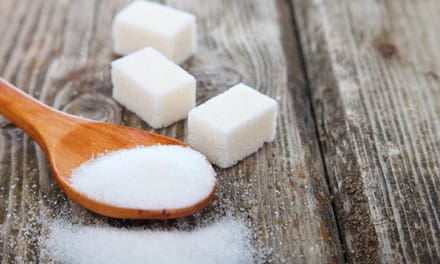
Let’s start with what carbohydrates actually do. When you eat carbs, your body breaks them down into glucose, which is the primary fuel for your brain and a major energy source for your muscles. So why the backlash? Influencers often portray carbohydrates as inherently harmful because low-carb diets can lead to quick, visible weight loss. Much of that early drop is water weight, as carbohydrates are stored with water in the body. There’s also a kernel of truth that gets exaggerated: highly processed, refined carbohydrates (think sugary drinks, white pastries, and ultra-processed snacks) are easy to overeat, don’t provide lasting satiety, and promote type 2 diabetes. But that’s a quality issue, not inherent to all carbohydrates.
WHAT ABOUT KETO?
The ketogenic diet, which drastically restricts carbohydrates, can be helpful in specific medical contexts – most notably for managing certain types of epilepsy. It can also be an effective short-term weight-loss strategy for some individuals. But it’s not a universal solution, and it’s not necessary for most people.
In fact, when we look at the most consistently well-supported dietary patterns for longevity and disease prevention, such as the Mediterranean and DASH diets, carbohydrates are a key part of the picture.
These eating patterns typically derive 45–60% of total calories from carbohydrates, primarily from whole, minimally processed sources. They’re rich in vegetables, fruits, whole grains, beans, and legumes, and are associated with lower risks of cardiovascular disease, type 2 diabetes, and cognitive decline.
Do we all need the same amount of carbs? Not even close. A marathon runner will require far more carbo-hydrates than someone who is largely sedentary. Someone with insulin resistance may benefit from moderating carbohydrate intake and focusing on lower-glycemic options. The key is personalization – not elimination.
Carb quality is where the real conversation should be. The body responds very differently to a bowl of lentil soup than to a glazed donut.
High-quality carbohydrates come packaged with fiber, vitamins, minerals, and phytochemicals that support gut health, stabilize blood sugar, and promote satiety. Fibre in particular plays a critical role in digestive health and has been linked to reduced risks of heart disease, certain cancers, and metabolic conditions. Most people don’t get nearly enough of it, and cutting carbs often makes that gap worse.
Your body has sophisticated systems to metabolize carbohydrates, but certain nutrients help those systems run more smoothly. Magnesium plays a key role in insulin signaling and glucose uptake, and low levels are linked with poorer blood sugar control. Chromium is involved in enhancing insulin’s action of guiding sugar out of your bloodstream and into your cells, where it belongs. Fiber – especially soluble fiber from foods like oats, legumes, and flax – slows carbohydrate absorption and helps prevent blood sugar spikes.
There’s also growing interest in compounds like berberine and alpha-lipoic acid (ALA), which may support glucose metabolism. Berberine has been shown in some studies to lower blood sugar and improve insulin sensitivity, often compared to the medication metformin. These nutrients can support healthy carbohydrate handling, but they work best alongside – not instead of – a balanced diet that includes high-quality carbs.
THE BOTTOM LINE?
Carbohydrates are not inherently fattening, inflammatory, or harmful, although poor-quality, ultra-processed foods can be. Instead of fearing carbohydrates, we’re better off upgrading them.
HYDRATE WITH EVERY BITE
Foods that offer essential nutrition, hydration, fiber, vitamins, and antioxidants.
••• CUCUMBER Filled withvitamins K, C, and potassium
••• WATERMELON Excellent hydration and cooling
•• ORANGES Vitamin C and 3 g of fiber
••• CELERY Natural electrolytes for hydration
••• CANTALOUPE Vitamin A and hydration boost
•• PINEAPPLE Vitamin C, manganese, and fiber
••• LETTUCE Filled with micronutrients, vitamins A, C, and K
• STRAWBERRIES Antioxidants and hydration boost
•• PEACHES High potassium and 1.3 g of protein
••• ZUCCHINI Rich in vitamin B6 and dietary fiber
•• GRAPEFRUIT Refreshing hydration and metabolism boost
••• TOMATOES Rich in lycopene for eye and heart health