Our gut health and the health of the Earth are deeply connected
Our gut health and the health of the Earth are deeply connected.
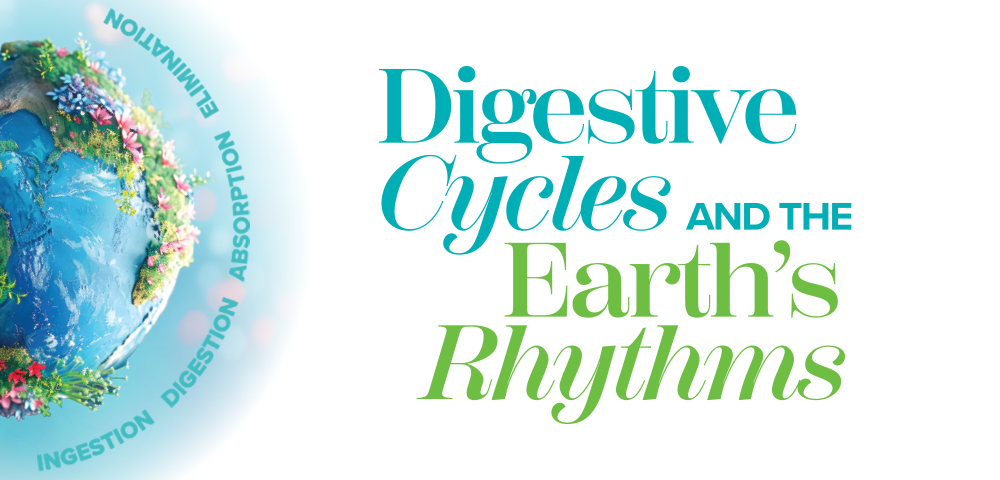
The digestive cycle and the Earth’s natural rhythms are rooted in similar core processes, such as transformation, absorption, and elimination, which produce energy and manage waste. Additionally, soil microbes interact with plants and become part of our microbiome. When soil microbial diversity declines – because of chemical use or other harmful practices – plants suffer, and so can we. A less diverse gut microbiome can lead to digestive concerns, such as irritable bowel syndrome (IBS). Protecting your digestive system is essential for maintaining health. Here are four tips to help manage and restore your digestion today.
1. ELIMINATE HARMFUL TRIGGERS
Food intolerances, stress, and pathogens (yeast and parasites) are common triggers of IBS. About 60% of individuals with IBS report that certain foods provoke their symptoms, emphasizing the importance of diet in managing IBS. The typical Western diet, high in ultra-processed foods, increases risk, while lactose intolerance and non-celiac gluten sensitivity can also trigger symptoms.
Poor FODMAP absorption can lead to abdominal pain, gas, and bloating. FODMAPs, an acronym for fermentable oligosaccharides, disaccharides, monosaccharides, and polyols, are types of carbohydrates that can worsen IBS symptoms when consumed. Clinical trials have shown that a diet low in FODMAPs effectively manages IBS symptoms, especially abdominal bloating, leading to improvement in approximately 50–80% of IBS patients.
2. RESTORE DIGESTIVE AIDS AND NUTRIENTS
Reduced stomach acid and insufficient digestive enzymes, which are needed for proper food breakdown, can lead to gut concerns and nutrient deficiencies. Individuals with IBS are often deficient in essential nutrients, including zinc, B vitamins, iron, calcium, vitamin D, and omega-3 fatty acids.
ZINC deficiency can alter intestinal permeability, a factor that contributes to the development of IBS. Zinc helps regulate neurotransmitters, such as GABA and 5-HTP, which influence the physical and emotional symptoms of IBS. To ensure adequate zinc intake, include foods such as seafood, legumes, nuts, and seeds, along with zinc supplements, particularly zinc L-carnosine, which improves gut barrier integrity.
VITAMIN D deficiency can compromise the intestinal barrier. Vitamin D supplementation improves IBS symptoms and quality of life, and supports concerns such as depression and anxiety, which are common with IBS. Safe sun exposure and supplements are ways to achieve healthy vitamin D levels.
ESSENTIAL FATTY ACID deficiency can cause low-grade inflammation and abdominal pain in IBS. Omega-3 supplementation can help reduce inflammation and support the microbiota. To maintain optimal levels, consume cold-water fish, chia and flax seeds, walnuts, and omega-3 supplements.
3. BALANCE BENEFICIAL BACTERIA
Individuals with IBS often have a gut microbiota imbalance, which is often caused by antibiotic exposure and GI infections. Supporting the gut with beneficial bacteria, such as those found in probiotics, is one way to restore microbial balance. Clinical trials have demonstrated that probiotic strains, such as Lactobacillus and Bifidobacterium species, can help alleviate IBS symptoms, including gas, abdominal pain, bloating, and bowel urgency.
PARTIALLY HYDROLYZED GUAR GUM (PHGG), a low FODMAP fiber and prebiotic, also increases beneficial bacteria in the gut. Studies show that IBS patients who consume this regulating fiber daily experience significantly reduced incidences of abdominal pain, gas, and bloating. PHGG can be easily mixed in water or other hot or cold beverages or foods.
4. HEAL THE GUT LINING
Low-grade mucosal inflammation and altered intestinal permeability are recognized contributors to IBS. Targeted nutrients, such as butyrate and L-glutamine, can help overcome these issues.
BUTYRATE is a short-chain fatty acid produced naturally in the gut. Declines in butyrate may worsen IBS symptoms, while butyrate supplementation supports the gut barrier and reduces symptom frequency. Supplementation with butyrate leads to significantly less pain during bowel movements and improved bowel habits. Choose sodium butyrate, the form commonly used in clinical trials, and for optimal results, supplement with 250–1000 mg daily.
L-GLUTAMINE, the most abundant amino acid in the body, promotes digestive health. L-glutamine helps seal the tight junctions in the gut and protects the intestinal barrier during periods of prolonged physical stress. Restore levels with micronized L-glutamine, which is more easily absorbed by the body.
Note: Clinically studied enteric-coated peppermint oil can be used during these steps to help reduce abdominal pain and the severity of IBS symptoms.
Your next steps
Acknowledging the connection between the Earth and our gut is a vital step toward healthy digestion. When it comes to complex digestive concerns, such as IBS, a multi-step plan is essential for lasting relief. Remember to:
- Identify and avoid triggers when possible. Use tools like the Monash University Low FODMAP Diet™ for guidance on FODMAPs.
- Use digestive aids (bitter herbs, betaine hydrochloride, and digestive enzymes) along with foods and supplements to correct nutrient deficiencies.
- Choose IBS-specific probiotics and add prebiotic fibers to balance the gut microbiota.
- Repair the gut lining with nutrients like butyrate and L-glutamine.