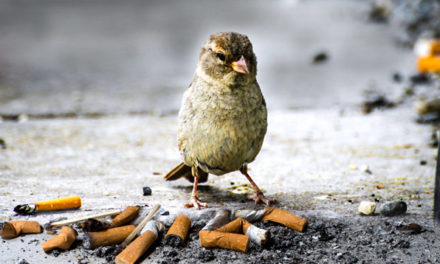
The health of our planet is inextricably linked to the health of our ocean.

OCEAN VITALITY
The health of our planet is inextricably linked to the health of our ocean. This has driven Christy’s commitment to developing renewed and regenerative relationships between the ocean, its biodiversity, and coastal communities. One example is regenerative aquaculture.
With an estimated 35.5% of the world’s fisheries overexploited, negative environmental outcomes, and animal health challenges hindering aquaculture adoption, Christy pursued extensive partnerships and investments that led to the development of submersible offshore aquaculture systems, farmable warm-water finfish species, advancements in finfish and shellfish genetics, and species with resistance to climate change. Aquaculture systems contribute to restoring marine ecosystems by creating safe zones for wild fish and reestablishing or creating biodiverse habitats, while generating jobs and enabling year-round, diversified fish production for the market.
To accelerate the advancement of technology and farming techniques, Christy co-founded Cuna del Mar. The portfolio of vertically integrated aquaculture companies is pioneering submersible offshore farms, underwater feed systems, advanced hatcheries, fish tracking, genetics research, vaccines, and sustainable feed solutions.
The farms are demonstrating possibilities and practices that can underpin viable business models. A pioneering Cuna del Mar business, Santomar, is the only finfish farm cultivating totoaba, an endemic species of the Gulf of California, and red snapper (huachinango). Each year, the business releases juvenile totoaba to support the reestablishment of the threatened species. In partnership with local fishing cooperatives and educational organizations, Santomar has released over 270,000 totoaba. According to data from Mexico’s National Commission of Aquaculture and Fisheries (CONAPESCA) and the General Directorate of Wildlife of The Ministry of Environment and Natural Resources of Mexico (SEMARNAT), Santomar’s business model and release program have contributed substantially to the regeneration of the totoaba population in the Gulf of California.
Santomar also offers marine biology students hands-on training in partnership with the state university, Universidad Autónoma de Baja California Sur (UABCS), fostering the next generation of ocean stewards.
Christy also understands that local innovation and entrepreneurship are essential to finding new solutions and encouraging the adoption of regenerative practices. To accelerate the advancement of regenerative aquaculture practices and support small- and medium-sized business growth, her philanthropy:
- Supports local entrepreneurs and the community-led development of regenerative and cooperative seafood models.
- Supports local innovations in new and overfished endemic species.
- Catalyzes and facilitates local and regional learning and innovation supported by NGOs and government agencies in Mexico.
LAND AND WATER STEWARDSHIP
Christy has long focused on the intersection of ocean and land in coastal ecosystems. She believes the restoration of our land and water resources can also be accelerated by regenerative practices. One example is Rancho Cacachilas in Baja California Sur.
To contribute to the restoration of the watershed and biodiversity of the Sierra Cacachilas, Christy established Rancho Cacachilas, an operating ranch, to demonstrate successful business models that restore land and water resources while honouring and strengthening the environment, culture, and community. The ranch operations include:
- Hospitality and nature-based experiences, which include trail system development and other erosion control systems that support soil health and the reestablishment of flora and fauna.
- Regenerative permaculture and beekeeping with farm-to-table hospitality options.
- Holistic livestock management, including meat production and cheesemaking with award-winning cheeses.
Today, scientists from the United States Geological Survey (USGS), as well as regional universities and institutions, are conducting ongoing research on aquifer recharge, biodiversity abundance, and land restoration, reinforcing these conservation efforts with data-driven strategies. Rancho Cacachilas offers its learnings to communities of practice to catalyze new ideas and support the adoption of regenerative methods. Additionally, the ranch supports summer camps and STEAM (science, technology, engineering, arts, and mathematics) education programs as well as social enterprise workshops for the community.
CULTURE, TRADITION, AND A SENSE OF PLACE
Christy has always believed that when people feel connected to and understand the nature of a place – its history, biodiversity, and traditions – they can become its fiercest protectors. We build a strong sense of place when we share a sense of identity, belonging, respect, and responsibility. Christy believes this can inspire communities and individuals to enhance and protect the vitality of their land, water, people, and culture.
That’s why she has established several organizations and programs to develop and sustain opportunities for people of all ages, helping them to experience and celebrate art, culture, tradition, and their historical heritage.
El Triunfo, in Baja California Sur, is an example of a community working creatively at the intersection of a rich ranching and mining history, sustainable practices and responsible tourism, and innovation to support resilience and adaptation.
To support the economic transition from mining to heritage-based history, art, and intercultural exchange, Christy and her team established Museo Ruta de Plata and the Museo del Vaquero de las Californias (MUVACA), preserving El Triunfo’s mining heritage and celebrating the regional ranching culture. Since its opening in 2022, MUVACA has welcomed nearly 42,000 visitors and engaged over 14,000 youth in educational programs.